Agora Sant Cugat International School finished 15th and the American School of Barcelona (ASB) 16th, out of 47 teams from 15 countries. Thailand, who trained with them this summer at the IOAI Spain camp in Tenerife, took silver.
All three teams that prepared in Tenerife have come home with a medal.
Results
| Rank | Team | Members | Points | Medal |
|---|---|---|---|---|
| 7th | Princess Chulabhorn Science High School Mukdahan (Thailand) | Theerakarn Koollasing, Kantaphat Kitisupawattana, Puwanut Tang-on | 321.85 | Silver |
| 15th | Agora Sant Cugat International School (Spain) | Stepan Gritsun, Llúria Torras Arcusa | 288.70 | Bronze |
| 16th | American School of Barcelona (Spain) | Henri Semenov, Tomás Danoni | 286.10 | Bronze |
Gold went to places 1–4, silver to 5–12 and bronze to 13–24. Russia took all four golds. Full standings.
How the final worked
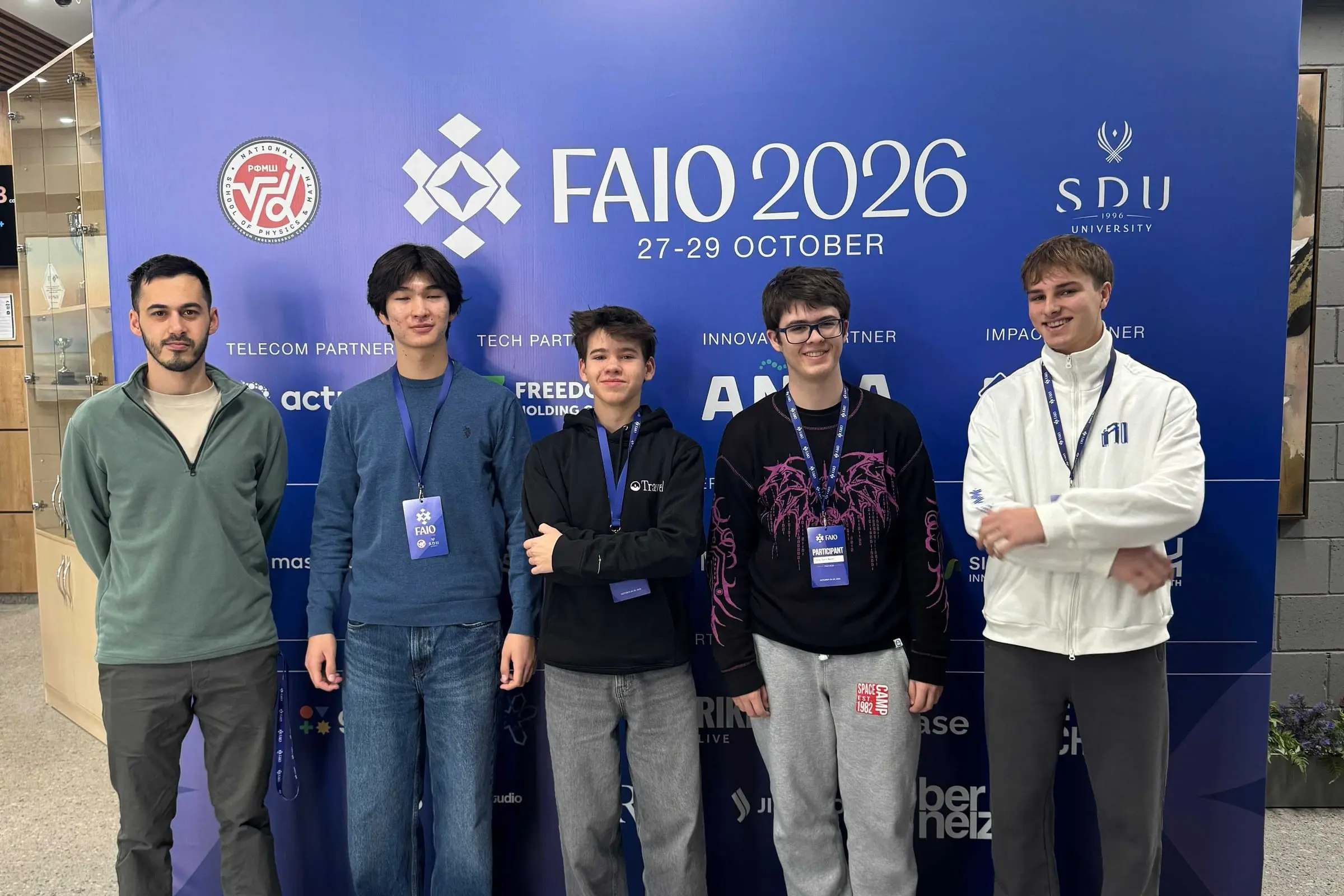
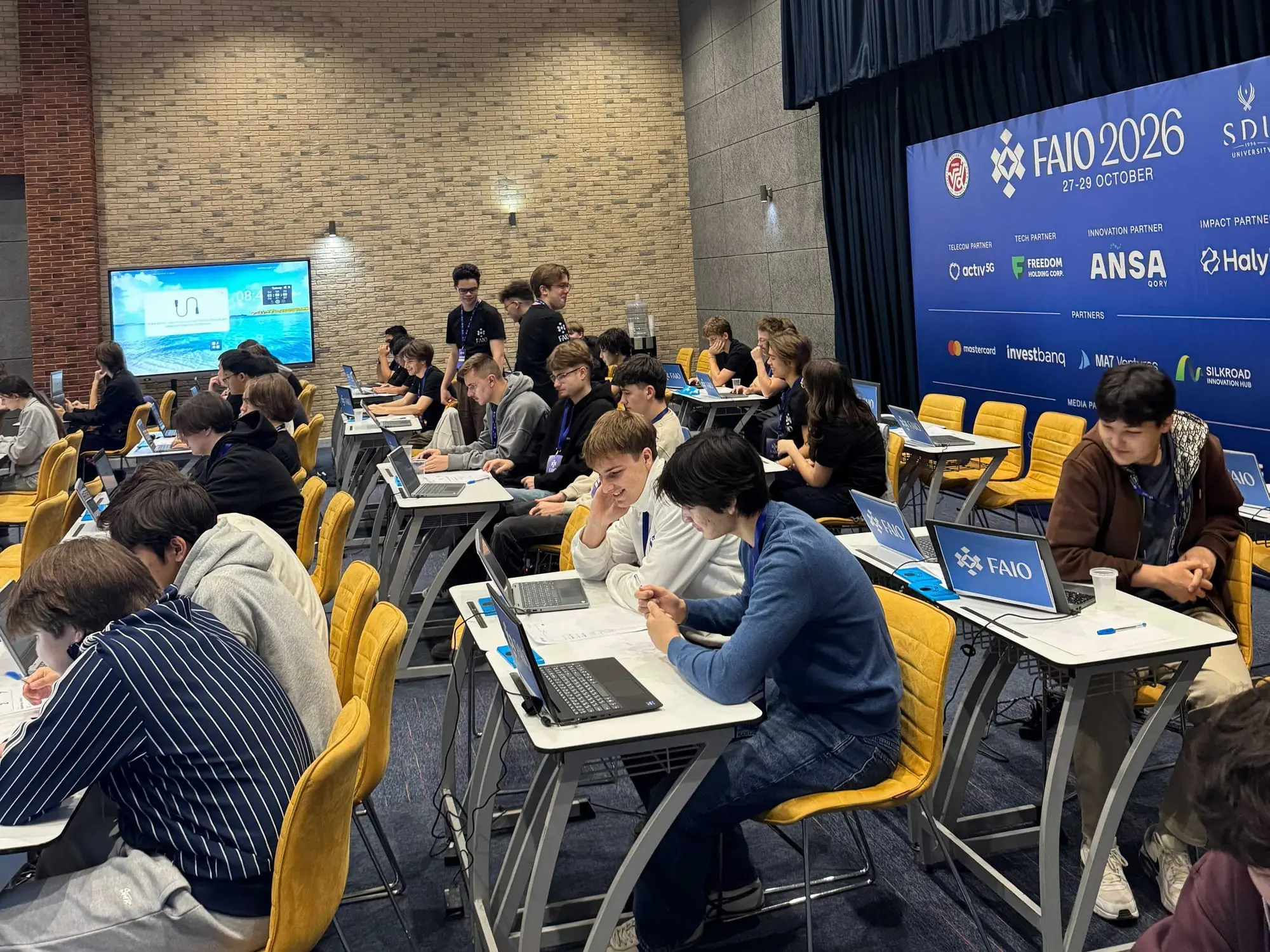
The Fizmat AI Olympiad (FAIO) is an international machine learning olympiad for secondary school students. After an online qualifying round on 20 September, the final was held in person in Almaty.
- Two 5-hour rounds, on 27 and 28 October, with four problems each.
- Teams of one to three students.
- Only tools explicitly allowed by the organisers could be used. Phones and personal notes were banned.
- An official AI assistant was available: Gemma 4 26B.
The eight problems
All of them were real data problems: audio, video, text and search. Problems A to D made up the first round, and E to H the second.
| Problem | What teams had to do |
|---|---|
| A · Shooting Ride | Predict where to shoot in a video of a fairground ride, with a 0.3 s delay |
| B · Keyboard Activities | Tell from the sound of the keyboard whether someone is typing code or ordinary text |
| C · Dimensionality Reduction | Compress 128-dimensional data as far as possible, with an error (NMSE) of no more than 0.01 |
| D · Smart Router | Rank documents by risk of personal data leaks, with a review budget of only 10% |
| E · Lecture Shuffle | Put the 30-second fragments of a video lecture back in order |
| F · Who Wrote This? | Identify which of 10 language models wrote each answer |
| G · Direction of Arrival | From a 4-channel recording, work out where a speaker is and what they are saying |
| H · Search Engine | Rank web pages by relevance for searches about athletes or teams (NDCG metric) |
A and C were the hardest. On A, no team scored more than 6 points: a solid solution took too much time for what it was worth. On C, only five teams scored more than 1 point; it called for mathematical reasoning more than machine learning.
How the Spanish teams competed
Agora Sant Cugat (15th, 288.70 points). Stepan Gritsun and Llúria Torras Arcusa split the problems. On day one, Llúria took A, B and D, while Stepan focused on C. On day two, Llúria handled G and Stepan took E, F and H.
Their best result was problem E: 65.29 points, the highest score of all 47 teams. Stepan spotted clues in the problem statement, such as the fact that only some fragments had black boxes over the numbers at the bottom. He matched the audio by volume and raised the score by transcribing it with Whisper.
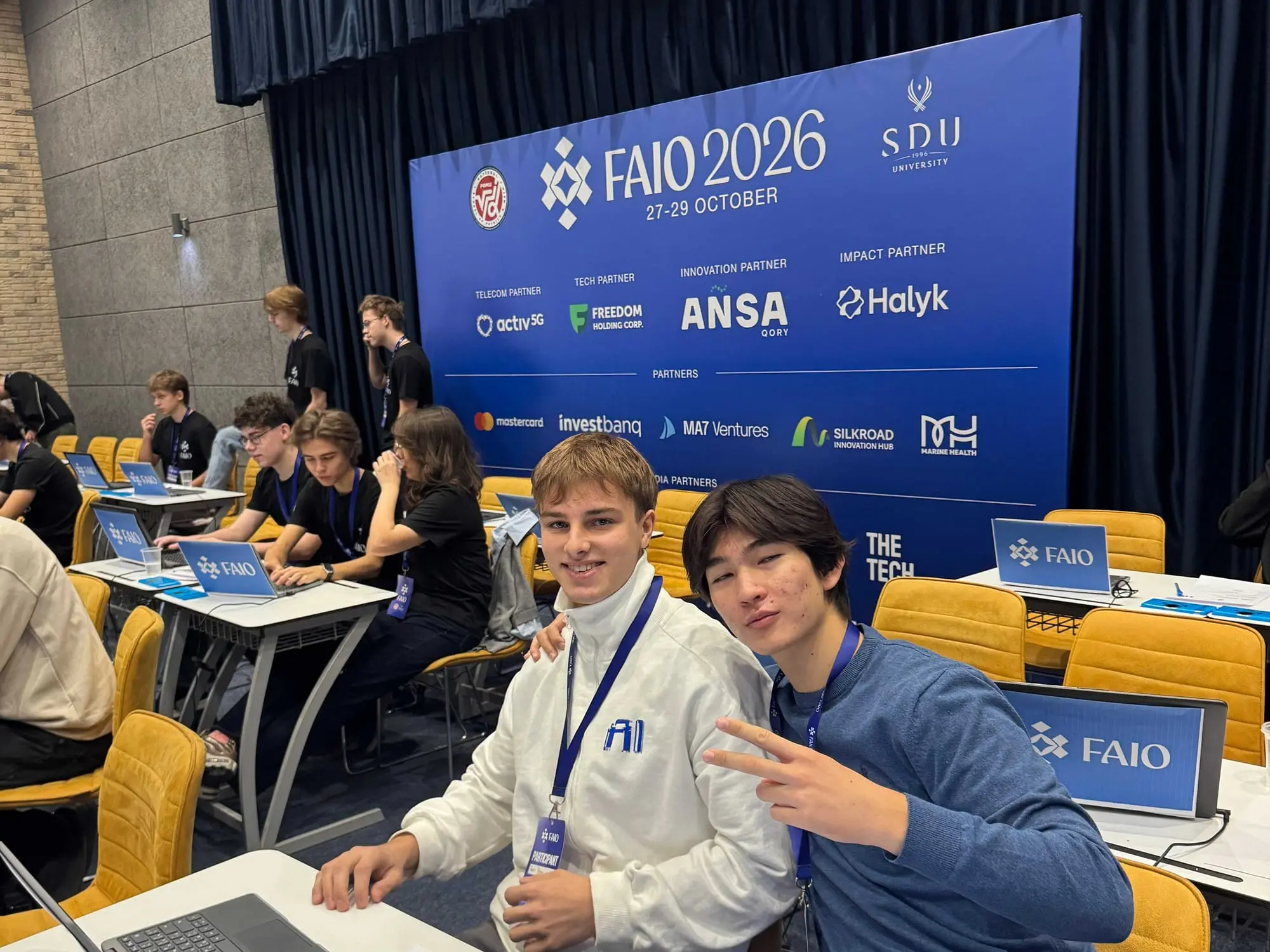
American School of Barcelona (16th, 286.10 points). Henri Semenov and Tomás Danoni finished 2.6 points behind Agora. They were 35th after the first round and climbed 19 places in the second.
Both teams ran into the same problem on C: their solution worked locally, but on the official platform it returned a runtime error with no logs to help fix it.
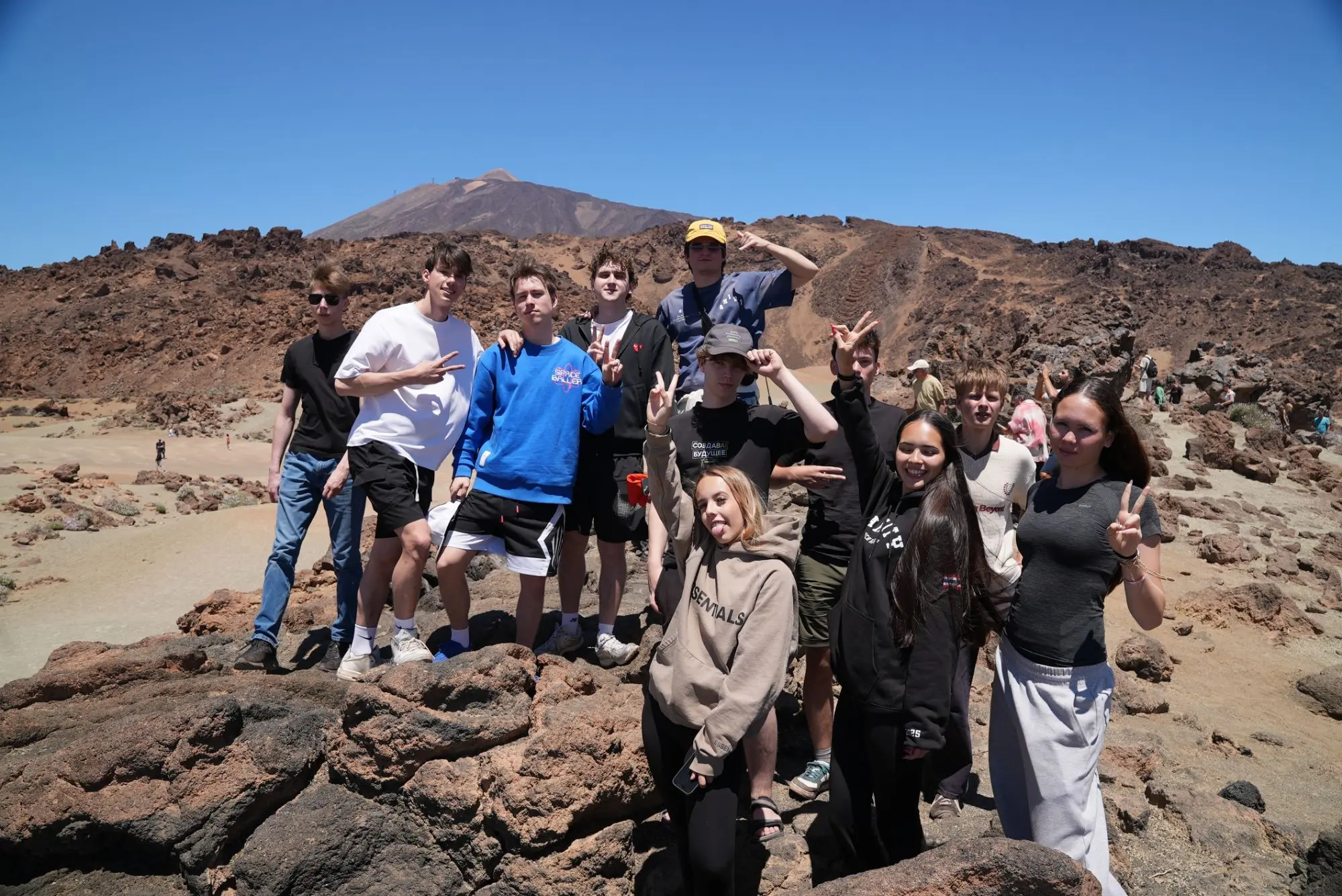
What Tenerife brought. According to Stepan, the camp helped them see what experience and theory they were missing, for example in audio. That mattered in Almaty on the keyboard (B) and speaker direction (G) problems.
Silver for Thailand
Princess Chulabhorn Science High School Mukdahan, the IOAI Thailand team, finished 7th with 321.85 points. Theerakarn Koollasing, Kantaphat Kitisupawattana and Puwanut Tang-on trained in Tenerife alongside the Spanish teams. Their second round was the best of the whole final and lifted them from 24th to 7th place.
Next step: IOAI 2027
Congratulations to Stepan, Llúria, Henri and Tomás, and to their schools.
“It’s worth getting in: from the inside it’s much more interesting than it sounds from the outside,” says Stepan to anyone thinking of taking part. For him, the real work with data, models and time pressure as a team is engaging and useful for the future.
The International Olympiad in Artificial Intelligence (IOAI) is already under way on the road to the world final in Singapore. It is free for students, and any student who meets the conditions can register at ioai-spain.org.